
Blogs
|FEBRUARY 6, 2026
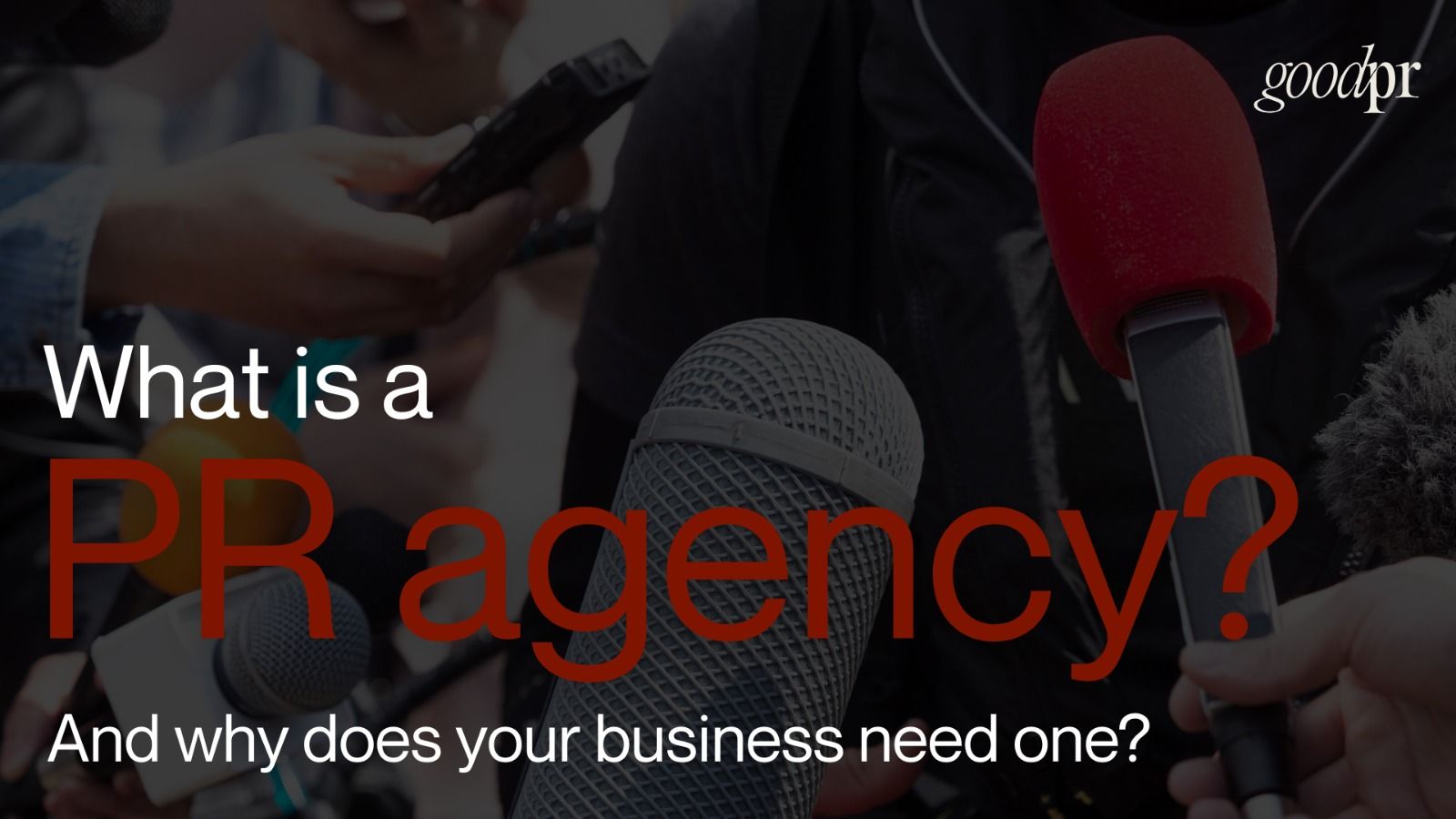
What Does a Public Relations Agency Do? (And When Your Brand Needs One)
Nevindee Amarasinghe
Read Next
Blogs
Why Public Relations Is the Missing Piece in GEO and AEO Strategy
Read Narrative →
Blogs
PR Value and Advertising Value: What They Mean and Why They Matter
Something that most of our clients ask after they receive the PR report is, what are these values highlighted as PR value and Advertising value. If you also thought the same, you’re not alone. PR value and Advertising value are the most commonly cited metrics in any campaign report, but they rarely get a proper […]
Read Narrative →Want the Full Playbook?
Our Crisis Response framework is reserved for partners facing systemic reputation risks.
Enquire Today →Public Relations, or PR, is often misunderstood, especially by growing brands and startups. At its core, PR is the strategic process of managing how information about an organisation or individual is communicated to key stakeholders, including the media, customers, and the wider public. PR is frequently confused with advertising. While advertising focuses on visibility and paid promotions that are intended to directly drive sales. PR is all about credibility, trust and influence, not just visibility.
Simply put, a brand could just pay for a full page advertisement to announce a product, or have a highly curated social media feed, and the audience knows that it’s promotional. However, when the same product is featured in a news story, discussed by an industry expert, or covered by a respected journalist or media outlet, the message carries far more weight. One approach buys attention; the other earns trust.
What is a Public Relations Agency?
A public relations agency is an organisation that manages how a brand is perceived by the public. Rather than focusing on paid promotion, a PR agency works to shape a brand’s narrative through earned media, strategic messaging, and meaningful engagement with journalists and key stakeholders. While marketing agencies focus on creating curated paid advertising campaigns, PR agencies focus on creating newsworthy stories that media outlets want to cover. The goal is not direct sales and exposure, but credibility. Ensuring that a brand is seen as relevant and trustworthy, and worth paying attention to.
What Does a PR Agency Actually Do?
A PR agency plays a strategic role in shaping how a brand is seen, discussed, and remembered. Beyond media coverage, PR involves planning, positioning, and protecting a brand’s reputation across multiple touchpoints.
Media Relations
Media relations sits at the heart of public relations. A PR agency identifies the relevant journalists, publications and editors, and pitches stories that align both with the brand’s message and the media outlet’s audience. This includes securing interviews, managing press coverage, and maintaining long term relationships with journalists. These are relationships that should be built on trust and consistency rather than one off publicity.
Press Releases and Content
PR agencies develop press releases and media content that go beyond the basic announcements. Instead of simply stating what a brand has done, they focus on crafting compelling story angles that explain why the news matters. This approach increases the likelihood of media pickup and ensures the coverage adds credibility rather than sounding promotional.
In an age where AI-generated press releases are increasingly common, many journalists have become quick to spot content that feels generic or formulaic. While AI can assist with structure or research, effective press releases still require human insight, context, and editorial judgement to create a compelling story that resonates with media and audiences alike.
For this reason, PR agencies prioritise strategic thinking and narrative development, ensuring that every release is tailored, credible, and genuinely newsworthy.
PR Strategy and Planning
Effective PR is not reactive. A PR agency develops strategic plans that support broader business objectives, whether that’s increasing brand awareness, supporting a product launch, or positioning leadership as industry voices. This includes message development, campaign planning, and aligning PR activity with marketing, sales, and organisational goals.
Crisis Communications
When a brand faces negative publicity, a PR agency helps manage the response quickly and responsibly. This involves preparing crisis communication frameworks, advising on messaging, coordinating with media to ensure accurate information is shared. The goal is to minimise the reputational damage while maintaining the public trust.
When Does Your Brand Need a PR Agency?
There is no “right time” to work with a PR agency, but certain situations clearly signal the need for professional PR support. Brands often seek PR expertise when launching a new product or service, entering a new market, or aiming to increase visibility beyond paid advertising.
A PR agency also becomes essential when a brand begins receiving media attention but lacks the experience to manage it effectively, or when public perception needs to be strengthened or corrected. In moments of negative publicity or reputational risk, having a prepared PR team can make the difference between a controlled response and long-term damage.
How to Choose the Right PR Agency in Sri Lanka
Selecting the right PR agency goes beyond looking at past media coverage. Brands should assess whether an agency understands their industry, audience, and business objectives. Strategic thinking, clear communication, and transparency in reporting are key indicators of a strong PR partner.
It’s also important to evaluate an agency’s media relationships and local market knowledge, particularly in regions like Sri Lanka where media landscapes are nuanced and relationship-driven. The right agency should act as an extension of the brand and not just a party delivering a one off service.
Conclusion
Public relations plays a critical role in shaping how brands are perceived over time. While advertising can generate immediate visibility, PR builds credibility, trust, and influence — assets that are essential for sustainable growth.
Whether through strategic storytelling, media engagement, or reputation management, a PR agency helps brands navigate public attention with clarity and purpose. Understanding when and how to leverage PR is a crucial step in building a resilient and respected brand.
Whether you’re launching, scaling, or managing public attention, strategic PR can shape how your brand is seen and trusted. Good PR offers tailored public relations services designed to support long-term brand growth.
Get in touch with our team to explore how the right PR strategy can support your business goals.
By Shevan Gomis
PR and Digital Associate
Good PR Pvt (Ltd)
Want the Full Playbook?
Our Crisis Response framework is reserved for partners facing systemic reputation risks.
Enquire Today →Want the Full Playbook?
Our Crisis Response framework is reserved for partners facing systemic reputation risks.
Enquire Today →