
Technology
|APRIL 10, 2026
Electric Three-Wheelers Gain Attention as a Health-Conscious Alternative for Sri Lankan Drivers
Nevindee Amarasinghe
Read Next


Want the Full Playbook?
Our Crisis Response framework is reserved for partners facing systemic reputation risks.
Enquire Today →Three-wheelers continue to play a critical role in Sri Lanka’s transport ecosystem, supporting thousands of drivers across urban and rural areas. However, growing evidence suggests that long-term operation of conventional fuel-powered three-wheelers may pose significant occupational health risks.
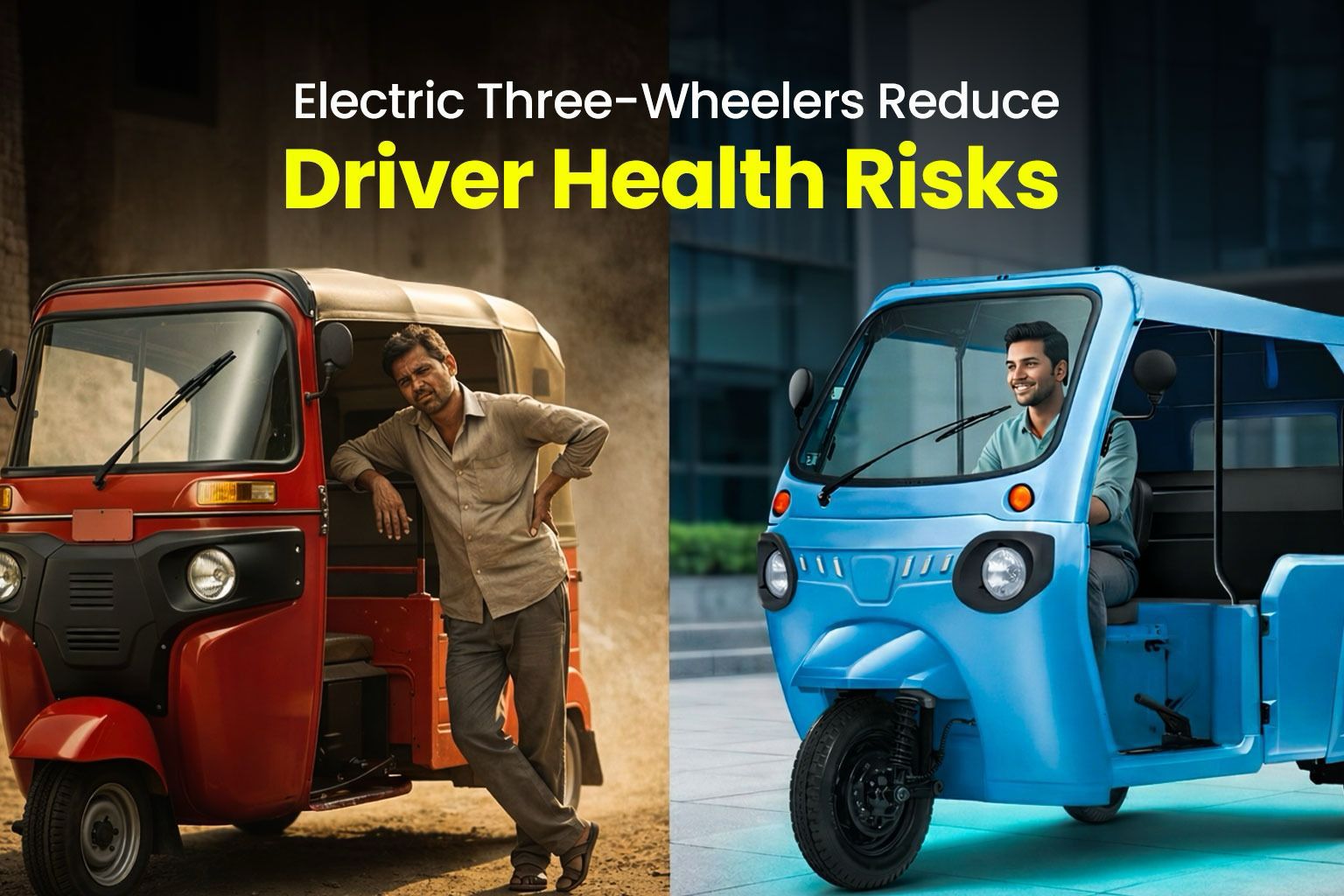
A study published in the Sri Lanka Journal of Occupational Health highlights that prolonged exposure to engine vibrations, combined with extended driving hours and suboptimal seating posture, contributes to a high prevalence of lower back pain and musculoskeletal disorders among drivers. These issues are increasingly being recognized as a widespread industry concern rather than isolated cases.
As attention shifts toward improving both sustainability and working conditions, electric three-wheelers are emerging as a viable alternative.
One of the most notable differences lies in the driving experience. Electric powertrains eliminate the continuous vibrations associated with traditional internal combustion engines, resulting in a smoother and less physically taxing ride. Over time, this reduction in vibration can significantly decrease the strain placed on a driver’s body.
In addition, newer electric vehicle designs tend to prioritize ergonomics, offering improved seating arrangements and more balanced weight distribution. These design enhancements contribute to better posture and reduced fatigue during long hours of operation.
The benefits extend beyond individual drivers. Businesses operating within the logistics and delivery sectors are also beginning to explore electric alternatives for fleet operations. Lower energy costs, reduced maintenance requirements and fewer mechanical breakdowns position electric vehicles as a cost-efficient long-term solution.
From an environmental perspective, the transition to electric mobility supports ongoing efforts to reduce emissions and improve air quality in urban areas. While infrastructure and adoption challenges still exist, the momentum toward cleaner transport solutions continues to build.
More importantly, the conversation is no longer limited to environmental impact alone. The shift toward electric vehicles is increasingly being viewed through the lens of driver wellbeing, operational efficiency and long-term sustainability.
As Sri Lanka’s transport sector evolves, the adoption of electric three-wheelers and light commercial vehicles could play a meaningful role in addressing both economic and health-related challenges within the industry.
Want the Full Playbook?
Our Crisis Response framework is reserved for partners facing systemic reputation risks.
Enquire Today →Want the Full Playbook?
Our Crisis Response framework is reserved for partners facing systemic reputation risks.
Enquire Today →