
As ZKTOR begins beta testing, a region shaped by external platforms examines whether digital sovereignty can be engineered from within South Asia
Sri Lanka stands at a critical moment in its digital evolution. As the country rebuilds trust across institutions and reconsiders long term dependencies, digital platforms have emerged as quiet but powerful forces shaping public discourse, youth behaviour, and social stability. It is within this context that ZKTOR has begun its beta phase in Sri Lanka, following extensive real world testing in India and Nepal and ahead of parallel testing in Bangladesh.
Developed by Softa Technologies Limited, ZKTOR is positioned as an all in one social media platform built on privacy by design rather than post use regulation. Its system architecture is structured around zero knowledge principles, ensuring that user activity, content, and behavioural data remain inaccessible even to platform administrators. All data is encrypted across multiple layers and remains geographically bounded, addressing growing regional concerns around data extraction and external control.
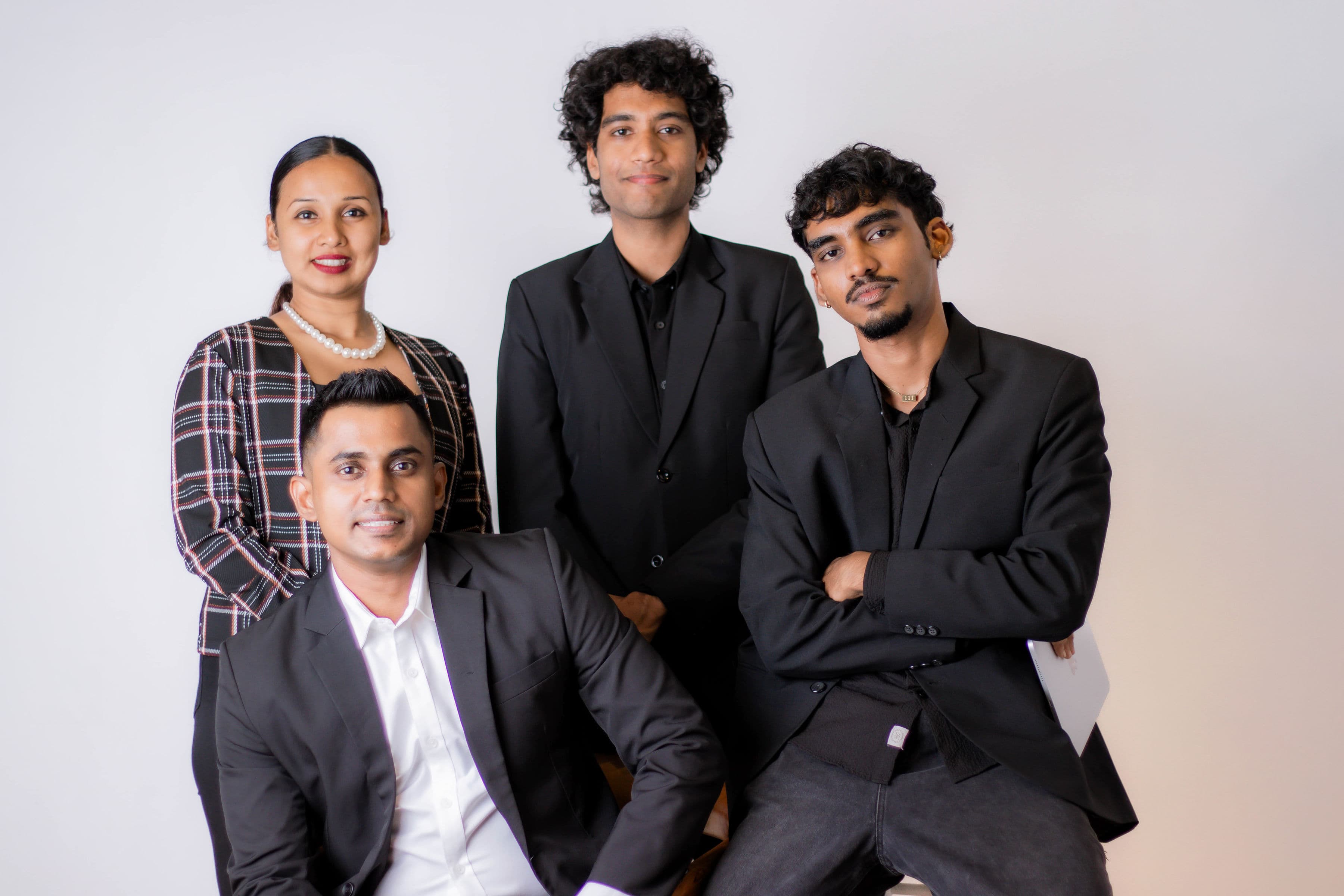
The thinking behind this approach reflects the background of its chief architect, Sunil Kumar Singh. With over two decades of professional experience in Finland, Singh worked within Nordic systems where digital trust, restraint, and user dignity are treated as structural requirements rather than optional safeguards. ZKTOR adapts those principles to South Asian realities marked by scale, linguistic diversity, and uneven digital awareness.
Notably, the platform has been developed without venture capital investment and without government grants. This independence is framed by its creators as essential to preserving governance integrity, particularly in an industry where external funding often shapes data policy and platform priorities. Growth to date has been organic, with emphasis placed on system stability under real social conditions rather than rapid expansion.
For Sri Lanka, where concerns around online harm, misinformation, and digital safety increasingly affect women and young users, ZKTOR’s media framework introduces a preventative design. Content sharing is structured to prevent unauthorised extraction, reducing a common source of digital abuse before it occurs. Beyond safety, the platform’s regional orientation carries economic implications. Its operating model prioritises local moderation, technical roles, and ecosystem partnerships, opening pathways for youth participation without exporting data or decision making abroad.
As Sri Lanka weighs its digital future, ZKTOR’s beta does not claim to replace global platforms overnight. Instead, it raises a quieter but deeper question: whether societies can begin choosing systems designed for consent, dignity, and sovereignty rather than convenience alone.

Leave a Reply